.svg)

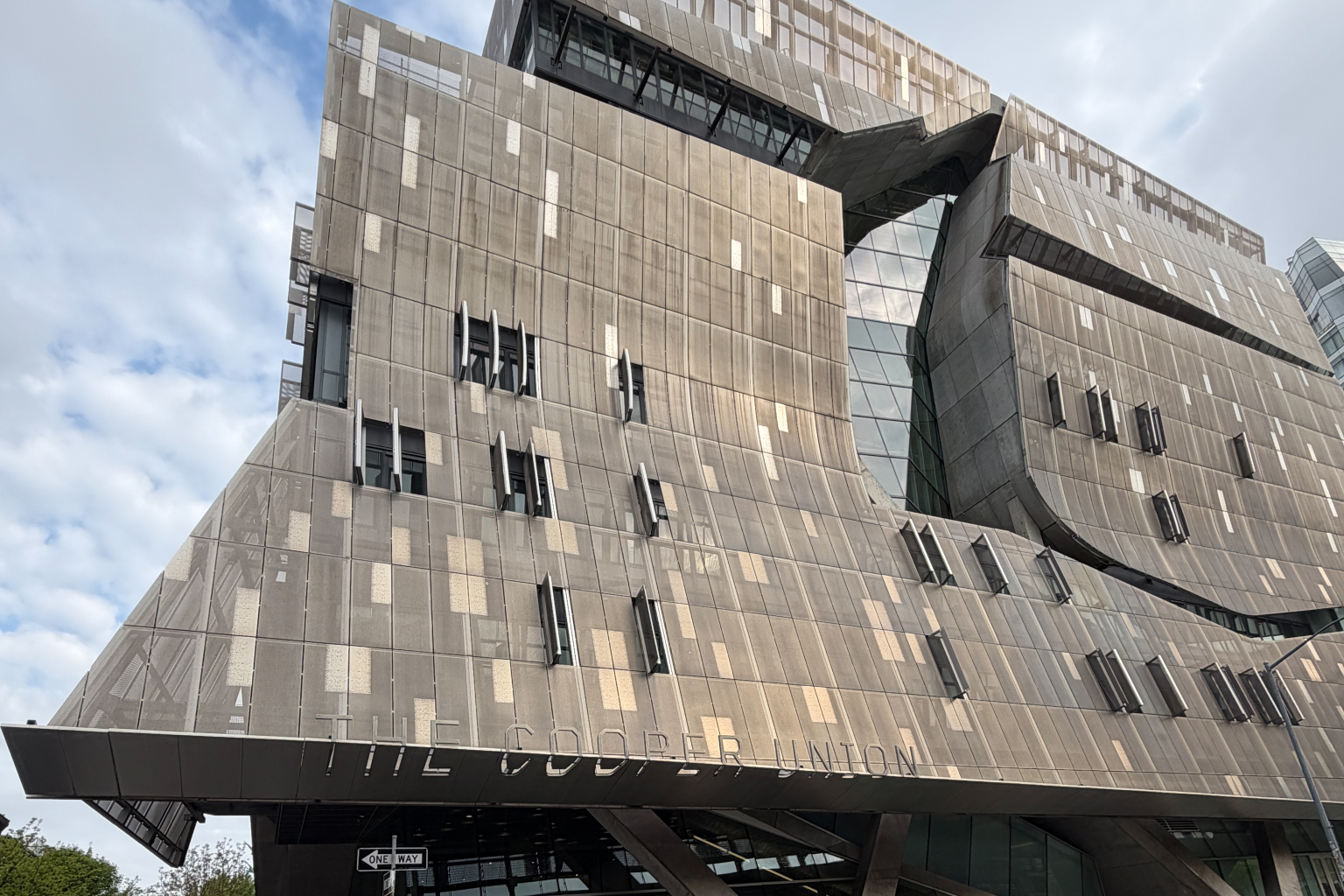
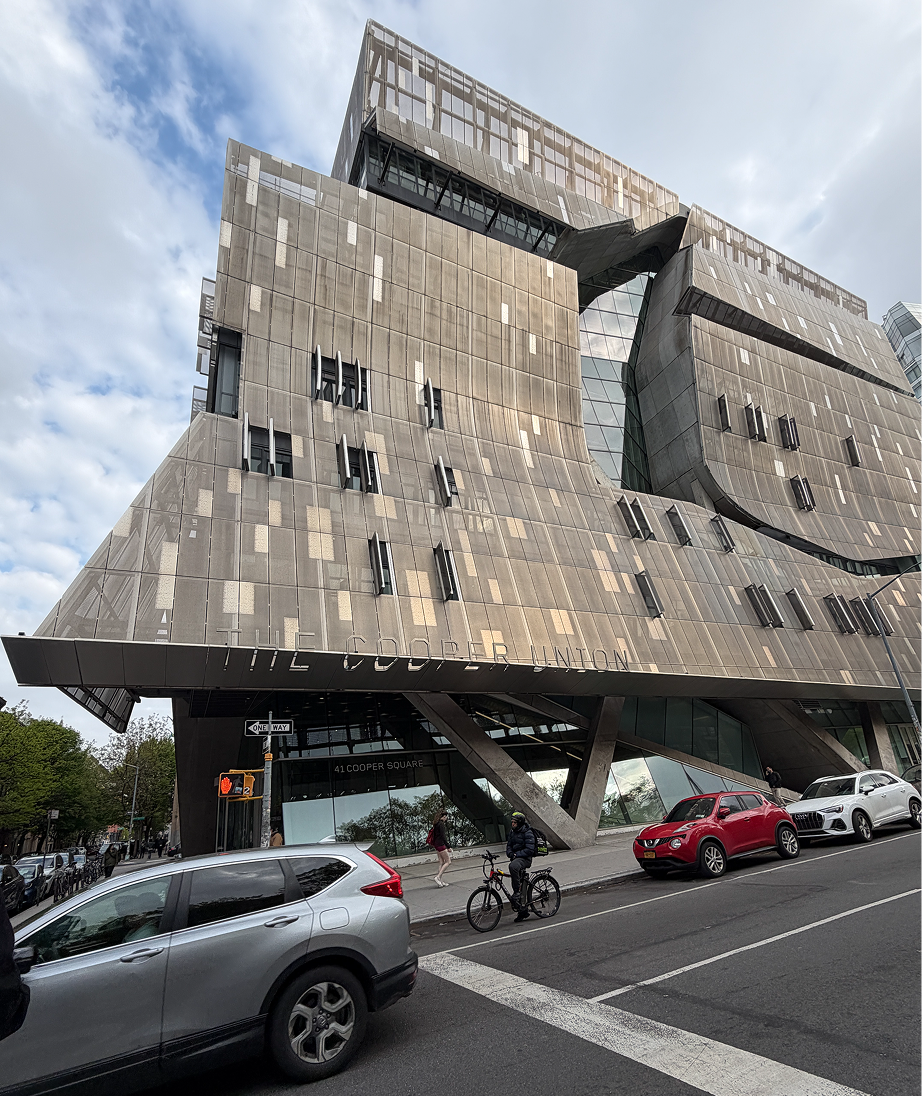
The chemical engineering students at Cooper Union recently tested New York dollar bills for traces of cocaine. Turns out, there was a non-negligible amount found on them. (Our guide was not allowed to say what that amount was...) The brewing class placed second in a national competition and is the hardest elective to get into. One lab has an anechoic chamber so quiet you can hear sounds inside your own body.
We did an engineering tour at Cooper Union last week and these were the kinds of details our guide shared.
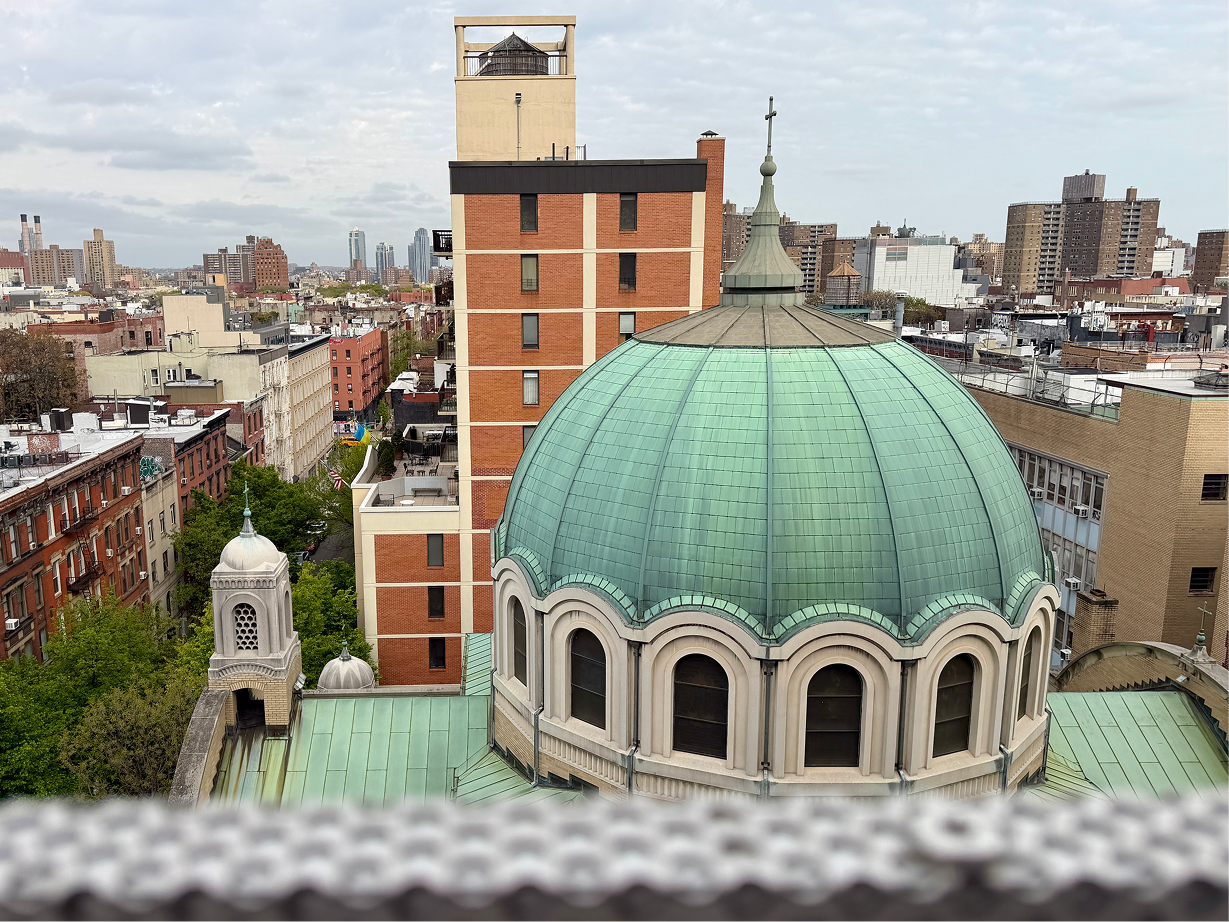
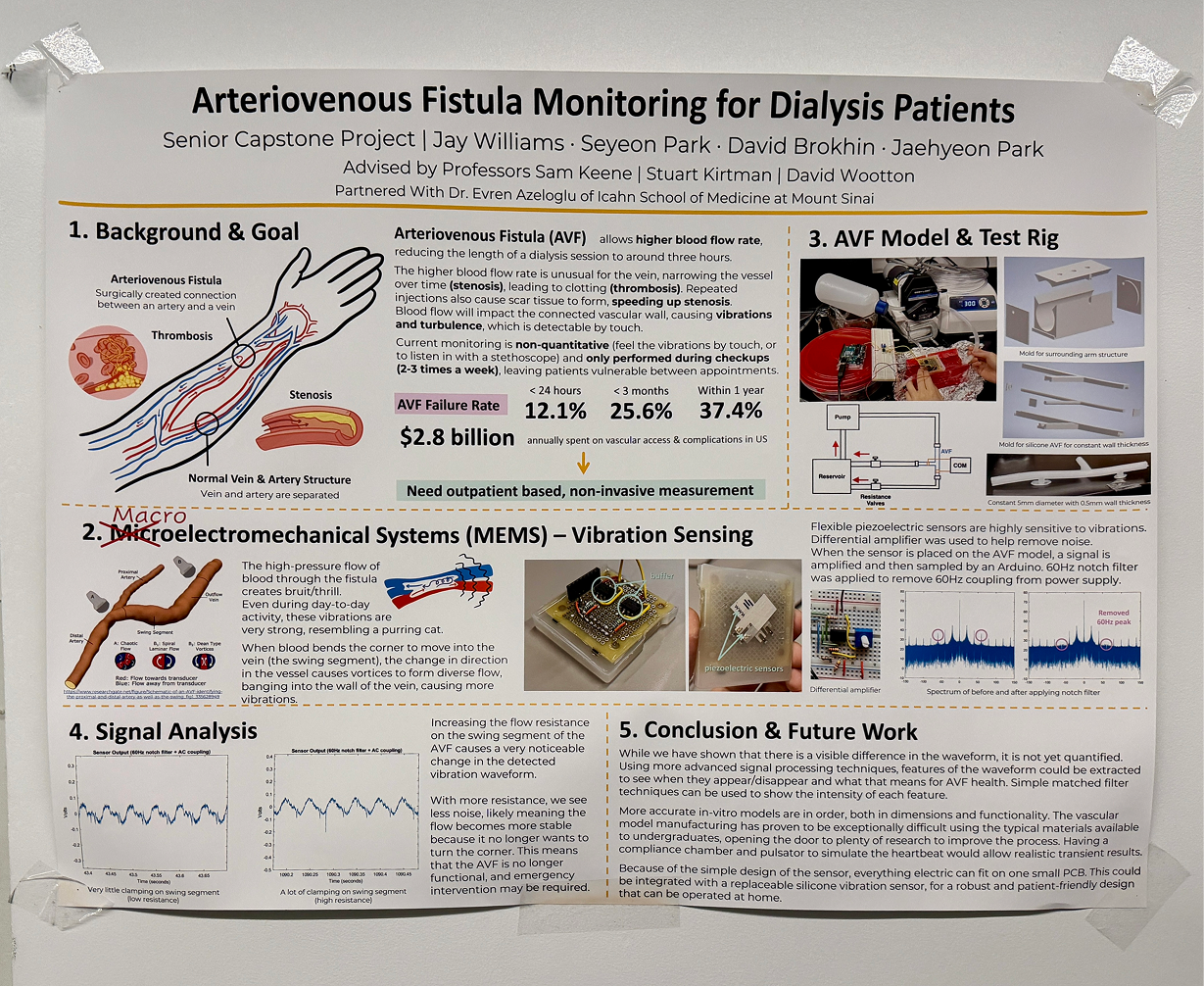
There are about 850 students total across engineering, art, and architecture, a 9:1 student-to-faculty in engineering, and the engineering school sits in a single building in the East Village. Professor offices line the corridors so faculty are easy to find. Walking floor by floor, there are labs everywhere — mechanical and a makerspace on 8, electrical engineering and senior project spaces on 6, chemistry on 4, chemical engineering on 3. Most rooms are labs, not classrooms.
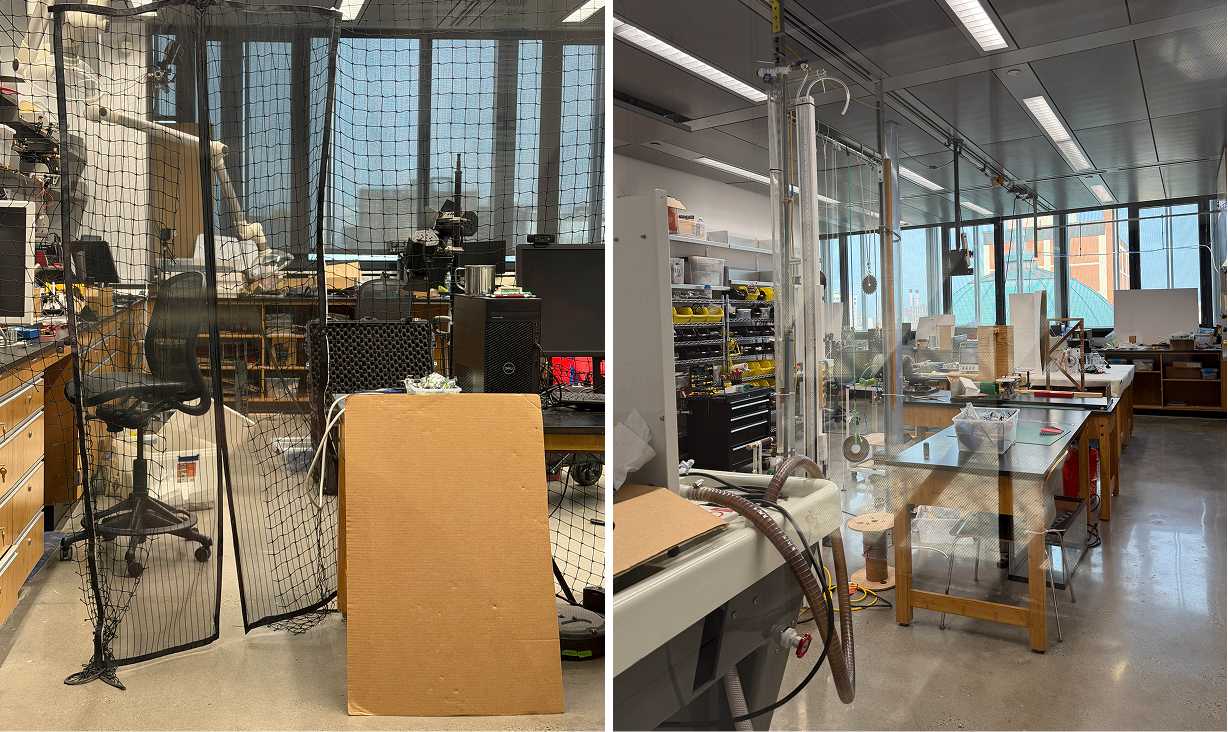
A few things stood out:
Housing is the catch. Cooper has one residence hall — 16 floors, four students per apartment, each with its own kitchen and bathroom. Most students live there freshman year and then move out, because there isn't space for everyone. After that, you're apartment-hunting in Brooklyn, Queens, or Manhattan, splitting around $4,000 a month with roommates. Many apartments get passed down through the generations of Cooper students.
Every admitted undergraduate gets a half-tuition scholarship as the baseline, with merit and need-based aid layered on top. About 57% of students attend tuition-free, and on average undergraduates pay 11% of the $44,550 sticker. Cooper has also committed to eliminating tuition entirely by 2028. Students admitted from 2028 onward will pay nothing, and current students get senior year free. Pretty great! (Though a little annoying for the Class of '27.)

A student who wants hands-on engineering, wants small, wants a real city, and is independent enough (or local enough) to handle apartment-hunting in New York after that first year. The sheer number of labs in such a small school is striking — most rooms we walked through were labs, not standard classrooms. It's also a place where you'll know pretty much everyone in your cohort, and where being on first-name terms with your professors is unavoidable. While we were touring, a chemical engineering professor stepped out of her office to chat with us about her food chemistry class.
It's a pretty far cry from a typical college experience, so it's definitely a "fit" school. It also drew heavily from New York and the surrounding area — our guide and most of the tour group were localish.
Hands-on + small + truly urban is a niche that's hard to fill. Most small engineering schools are less full-on urban (Olin, Harvey Mudd). Most urban engineering programs are big (NYU, Columbia, Northeastern). Cooper sits in a niche of its own.
Who's it not for? Students wanting to explore broadly outside of engineering, or who are wavering on whether engineering is the right path. Also students who want that typical residential college experience. You arrive committed to your major, though you can switch between the engineering majors once you're in. The art and architecture students are in a separate building across the street.