.svg)

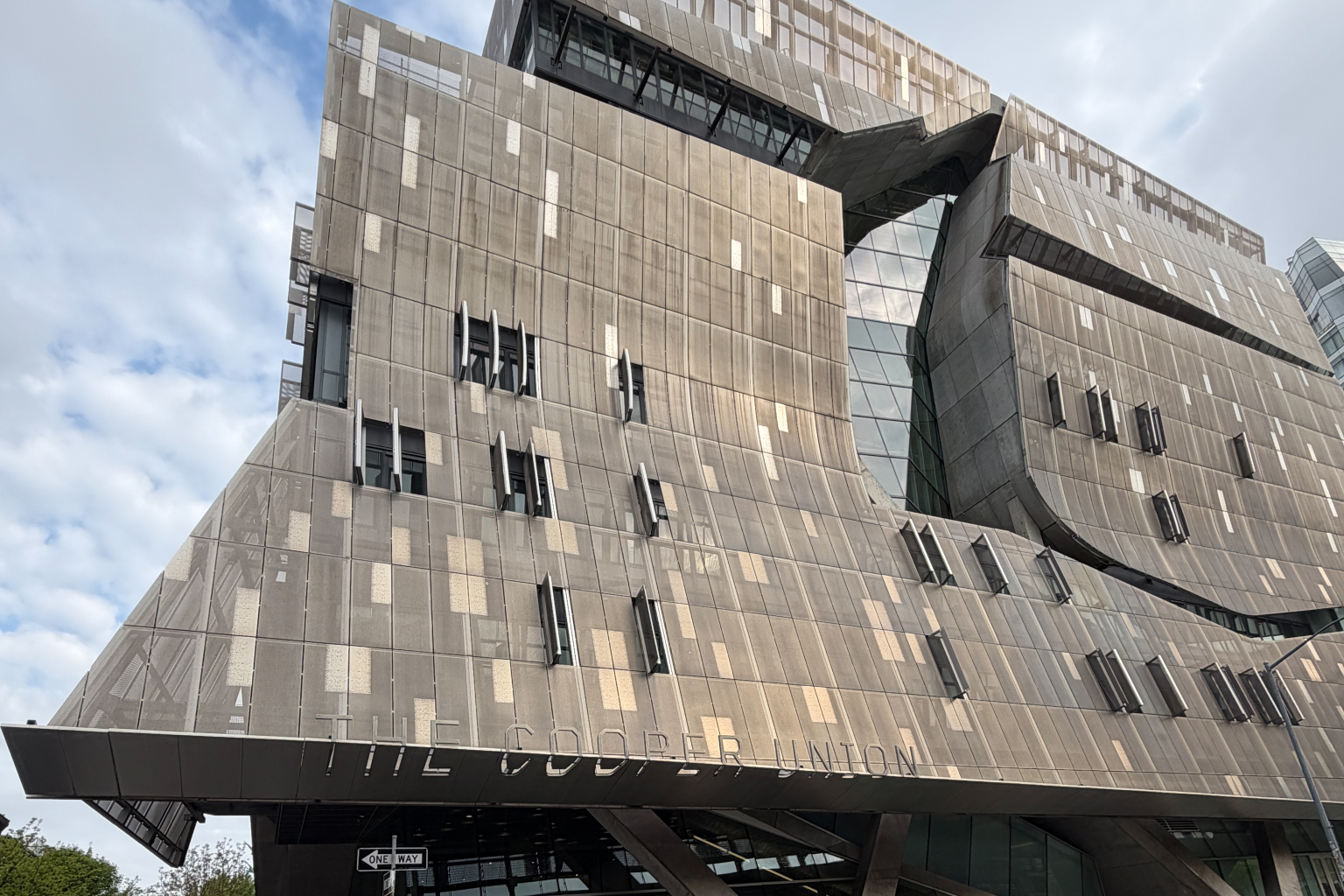
According to our guide, Columbia once ran study abroad programs on all seven continents, including an engineering program in Antarctica. How fun would that be?
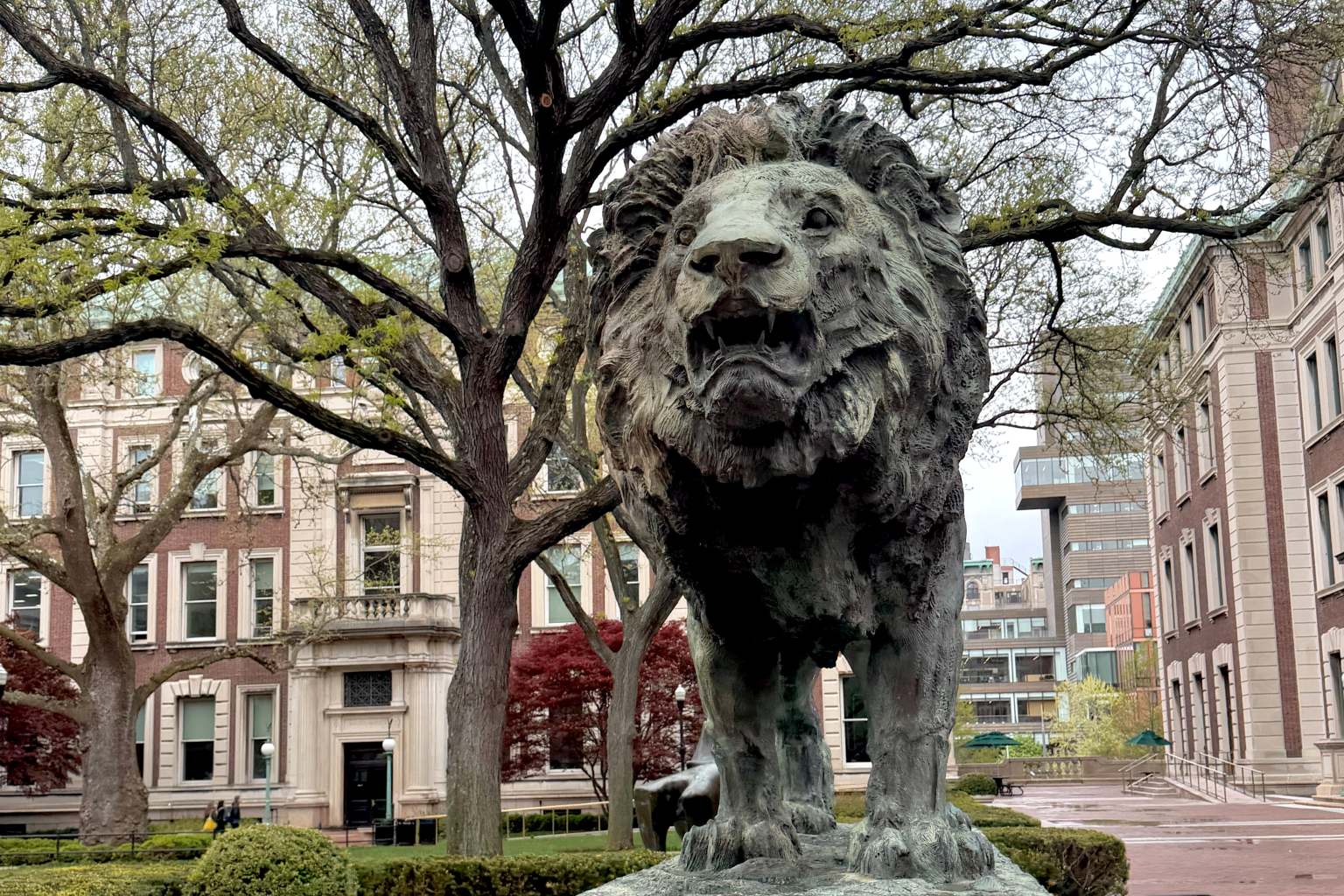
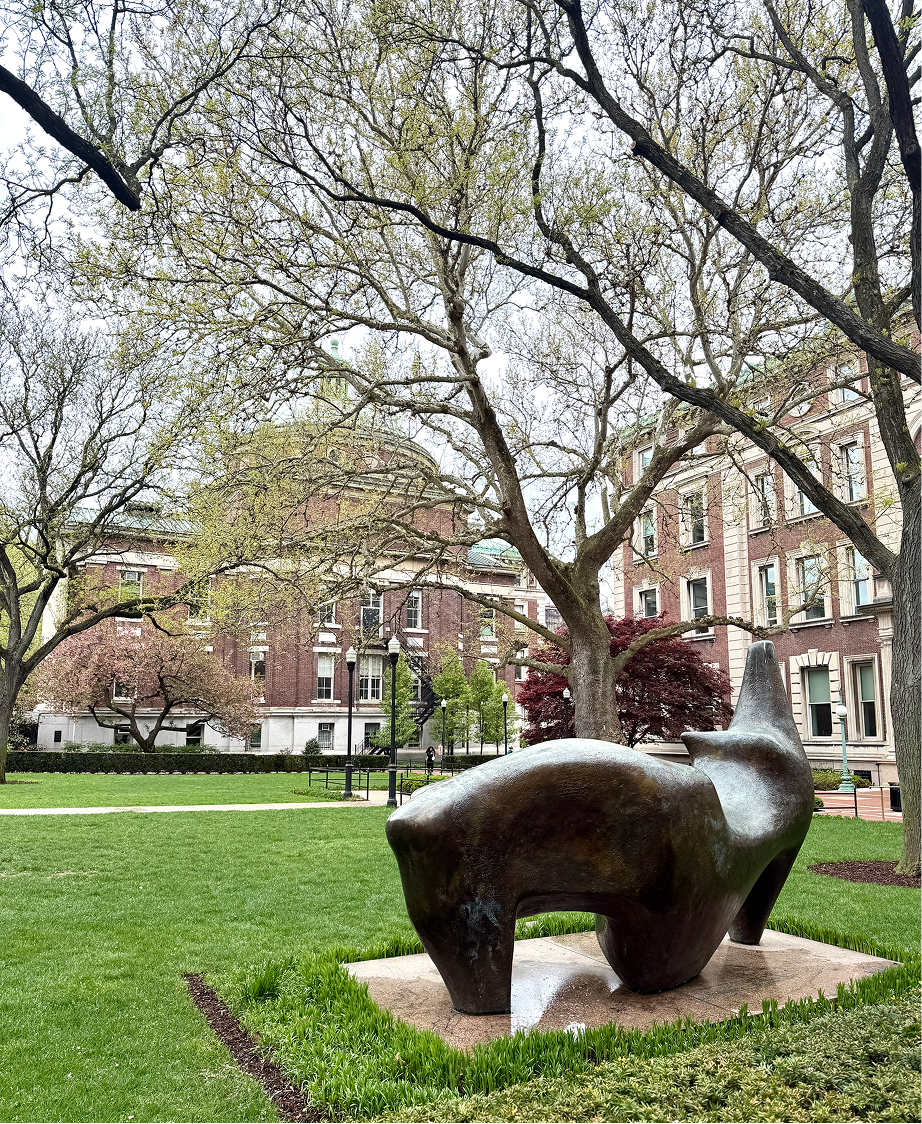
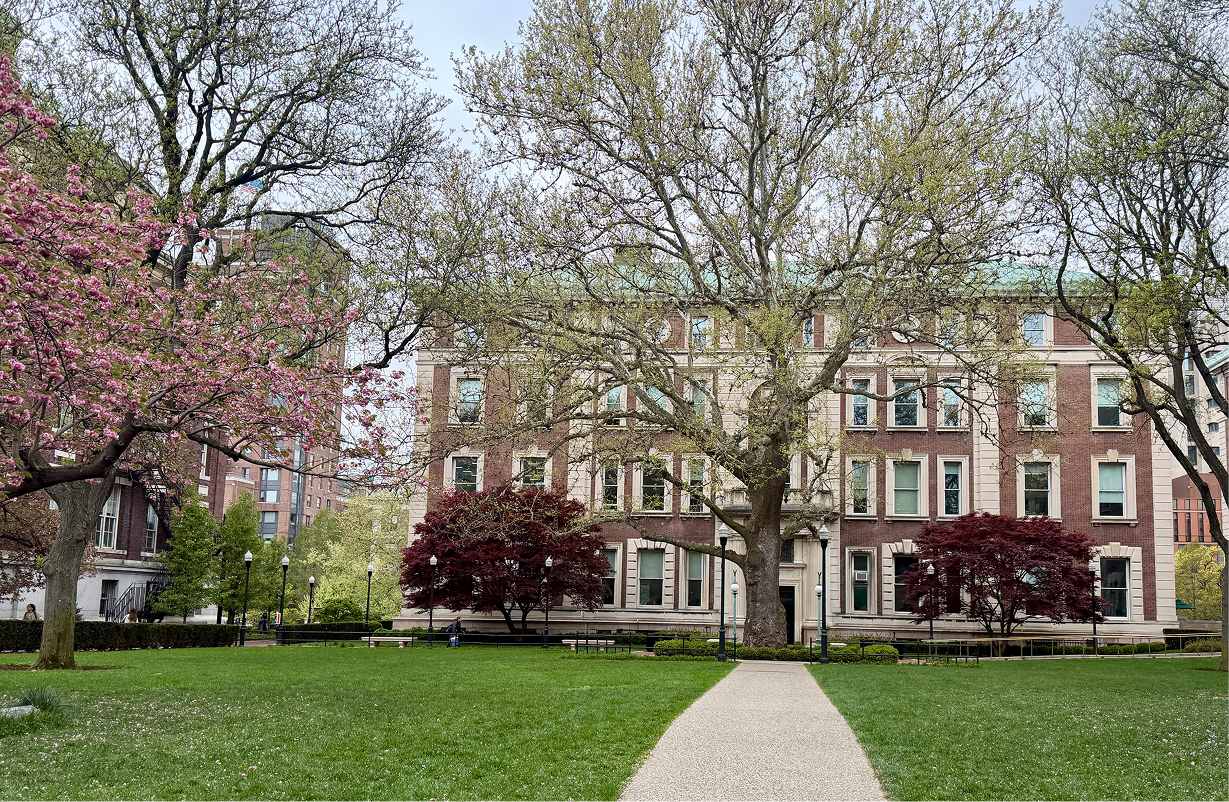
Columbia's campus is compact and reminded me a little of Berkeley but with squatter buildings, more of a grid, and a formal feel. If it were a garden, it would be a French, not an English garden. It's solid and attractive, and feels tucked away even though it's right in Manhattan.
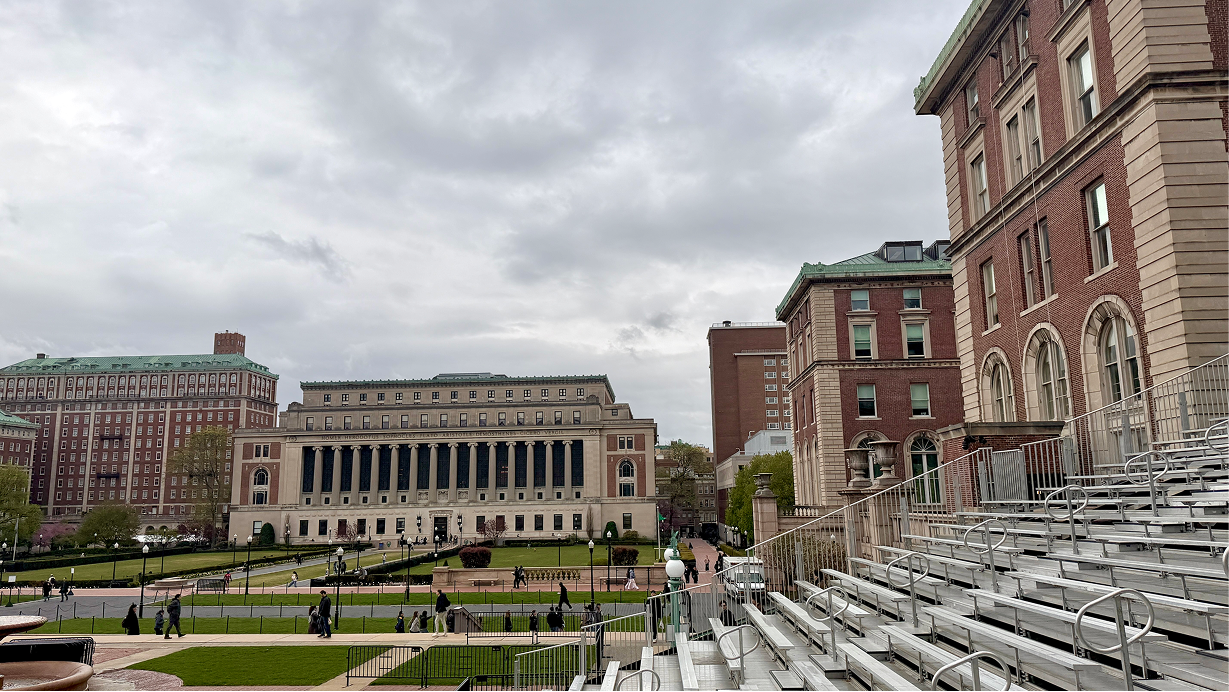
Unsurprisingly, the campus is fully locked down. You need a Columbia ID or a stated reason and proof to enter, and there are guards at the entrances. Inside, it felt busy and bustling — students moving between classes, lots of activity. I have a preference for these smaller campuses: the density creates a liveliness that the beautiful, green, and vast campuses sometimes lack.
Morningside Heights itself is calm, at least for Manhattan. There's plenty going on: cafes, restaurants, bookstores, but it feels quite residential. There are parks on either side of campus and a subway station directly outside. The surrounding blocks felt very safe.
The Core Curriculum is Columbia's defining academic feature. Established in 1919, it was the first standardized curriculum at any American university. Students take a shared sequence of courses across literature, writing, music, art, philosophy, science, and language, regardless of major (see Engineering caveat below).
The appeal is a common intellectual experience that connects current students with alumni across generations, though the syllabus gets refreshed. Our engineering school guide said Art Humanities had been one of the most valuable courses she'd taken. She enjoyed the small seminar style setting, museum visits to the Met and MoMA, and even a trip to an auction house. She chose Columbia partly for that breadth, alongside access to the city.
It's a substantial chunk of your four years, roughly one-third to one-half of your credits, so I'd imagine it attracts students who like the idea of reading the same books as their classmates.
Columbia supports its relationship to New York through some structured programs. Through the Urban New York program, students get free access to the Met, MoMA, and the Cloisters via a passport. There's a lottery for Broadway, ballet, and opera tickets. The arts desk in Lerner Hall offers standby tickets. Our general tour guide has been to countless shows via these programs.
The international flavor extends into the academics, too. Summer Art Humanities and Music Humanities can be taken in Paris or Berlin, which extends the Core into a different setting for students who want it.
About 18% of Columbia undergraduates are international, representing 150+ countries. The university is consistently ranked among the top programs globally for political science and international relations, and SIPA, the School of International and Public Affairs, is a leading graduate school.
All the engineering classrooms and labs we saw were below ground. Functional and well-resourced, but not beautiful, somewhat dated and without any natural light.
The school was bigger and older than Penn's, which we'd seen two days earlier, with a different focus. Engineers here felt like full-on ‘traditional’ engineers, whereas at Penn the focus was more on combining or integrating engineering across disciplines. The Core for engineering students is stripped down to about half that required by Columbia College's, which makes sense given the typical engineering workload, but still requires a humanities foundation most engineering programs don't.
Research access is a real strength. Engineering professors reserve research spots for undergraduates, including first-years, and emailing professors directly is one of the most reliable paths in. 'Summer at SEAS' funds engineering students to work on faculty research over the summer.

The Art of Engineering first-year course rotates lecturers from different departments and includes a hands-on Arduino arcade game project. Students learn wood shop, 3D printing, laser cutting, and soldering and then present at a campus-wide expo. It's a smart way to introduce students to the full range of engineering majors available before they declare.
The makerspace has 18 3D printers, vinyl cutters, laser cutters, sewing machines, and a "super user" program that extends evening hours.
New York came up constantly on this tour as well — internship access during the school year, not just summers. The guide mentioned LionSHARE, the university's job portal, listed more than 110,000 opportunities in the most recent academic year.
Columbia College students have to pass a 75-yard swim test to graduate. Engineering students don't, supposedly because "they can always build a boat," but more likely because the engineering school dropped the requirement at some point.
There are about 12 dining options on campus, including food trucks that take meal swipes.
Our guide reported that singles are attainable for most students who want one, even freshmen. We were shown one which was small but decent, in a building smack in the middle of the main campus. Housing is guaranteed for all four years, so students can avoid the craziness of the New York housing market and most do choose to keep on-campus housing. Freshman dorms are within the main campus and quite attractive.

Columbia is a strong fit for students who want urban energy combined with a campus community, who want a shared curriculum, and who have a global orientation — whether through their own background, their interests, or both. The Core attracts students who like reading and discussing things, and the city rewards students who'll actually use it. Overall, Columbia felt a little more serious than the other schools we toured over the week.
It's probably not the right fit for students who want to chart their own academic course (stay tuned for a post about Brown) or who would resent taking a lot of required non-major coursework. And while engineering here has serious research and industry access, students drawn to interdisciplinary or very hands-on engineering programs might find this one feels fairly traditional.
And of course, given Columbia's recent history, students should think about how they feel about being on an activist campus. It was quiet when we visited, but the combination of location, history, and a politically engaged student body mean these moments could well resurface.